The Story Behind
The Innovation
How a high school student's question about sanitation evolved into a patent-pending solution impacting thousands of lives.
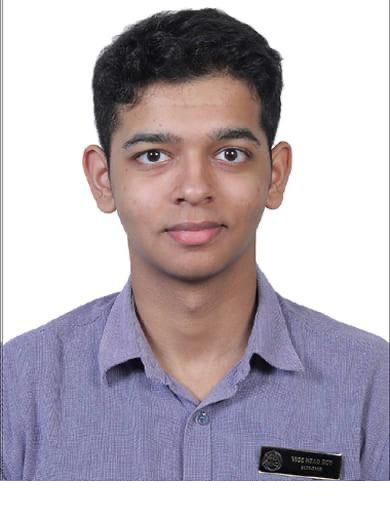
Daksh Pruthi
Social Entrepreneur & Student at Modern School, Vasant Vihar
With a stellar 98.8% in his Grade 10 CBSE examinations, Daksh channels his academic excellence into addressing real-world challenges. His journey is marked by multiple international STEM Olympiad achievements and top rankings in innovation pitch competitions.
Daksh has deepened his technical expertise through prestigious internships at IIT Delhi, receiving training in material science and product design. In alignment with the Swachh Bharat Mission, he previously collaborated with IIT Delhi to develop an AI/ML-integrated waste segregation bin.
His commitment to social innovation is rooted in empathy—reinforced while volunteering as a scribe for differently-abled students. He believes that technology and education together can drive national change.
"How can we make hygiene safe?"
The idea for ByeByeLota was born out of a simple but urgent question. In urban slums, millions rely on traditional 'lotas' (pots) and bare hands for cleaning, a practice that directly contributes to the spread of Typhoid and Cholera.
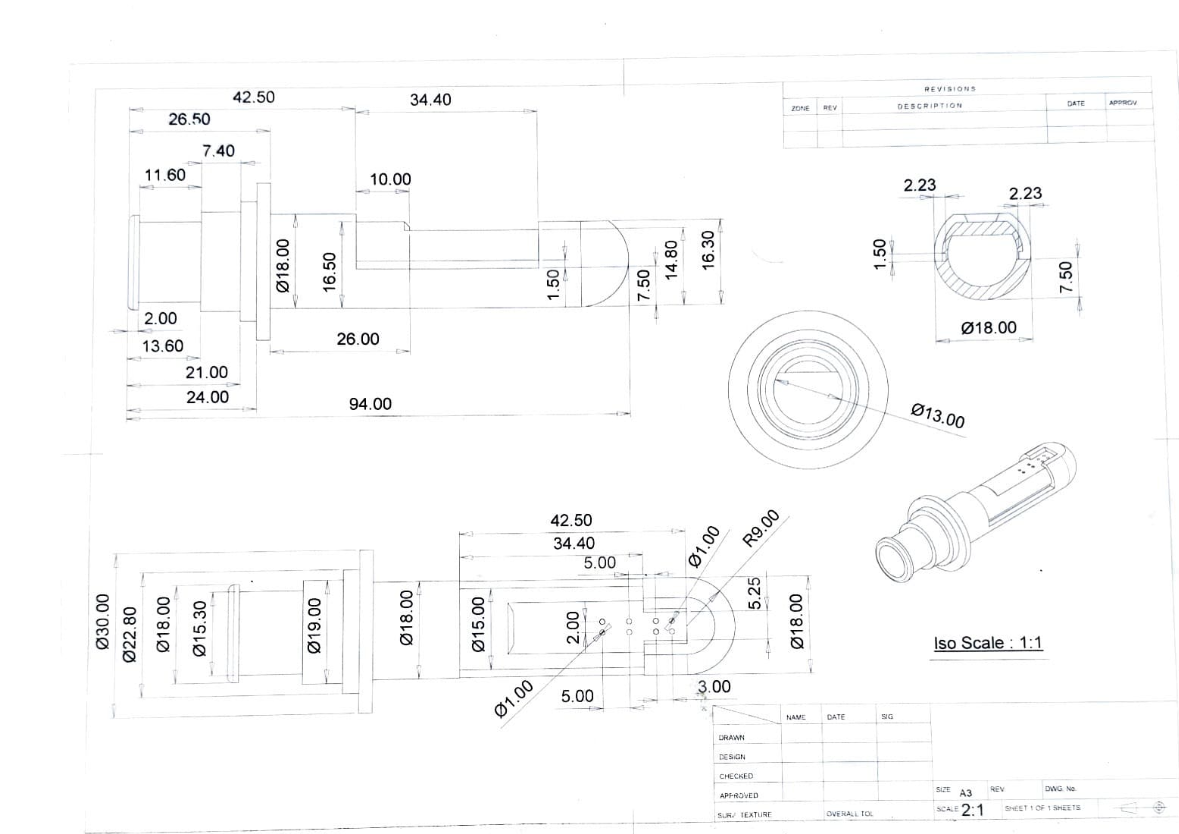
Daksh studied existing technologies and assessed them on cost, ease of use, and cultural acceptance. The result was a portable faucet: compact, lightweight, and universally compatible with standard 28mm/30mm water bottles.
- Affordable for the masses
- Intuitive Ease of Use
- Cultural Acceptance
- Proven Health Impact
Daksh Wash Well Foundation
Registered as a Section 8 Nonprofit, the foundation serves as the vehicle for scaling ByeByeLota.
We are currently working in collaboration with the Municipal Corporation of Delhi to undertake mass distribution drives in slum areas. Our efforts directly complement government programs like the Swachh Bharat Mission to improve sanitation infrastructure and public health outcomes.
Future Vision
Antimicrobial Tech
Exploring advanced germ-shield additives and developing cost-effective, locally sourced alternatives to reduce import dependency.
Corporate CSR
Connecting with multinational corporations to allocate CSR funds, scaling the project nationwide.
Cross-Subsidy Model
Reinvesting profits from urban markets to subsidize rural distribution, creating a self-sustaining social enterprise.